
Children's Book Illustration Brief: A Free Template and How to Write One
You have a finished manuscript, a talented illustrator and a clear picture of your book in your head. Then the first sketches arrive, and the bear is...









Horror is the genre where the author's mistakes show fastest. A scare that arrives too early is spent. A monster explained in chapter three is just an animal with a backstory. Readers feel the difference within a few pages, even when they could not tell you why.
At KD Prime Publishers in Austin, TX, we match you with a writer who works in dark fiction. You bring the seed: a house that rearranges its rooms, a town with one rule nobody mentions, a voice on a baby monitor. The writer talks the premise through with you, plans where the dread rises and falls, and drafts the manuscript in batches you read as it grows. This is the genre side of our ghostwriting service and part of our wider fiction writing work.
You are the only named author. We sign an NDA on request, you own the finished manuscript once the project is paid in full, and you keep your copyright and royalties. We charge a project fee and never take a share of book income.
This page is about the genre: atmosphere, the pacing of scares, sub-genres and how explicit the book should be. For the working method on one long manuscript, see our novel writing page. Prices start from $4,500, and the plan table is further down.
Let our team build the dread, pacing, and tension your premise deserves.
Many authors have a frightening idea and a shaky sense of how to stretch it across 60,000 words. A horror ghostwriter has already solved that problem on other books and can show you where the tension needs to climb, where it needs to rest, and where the story is quietly giving away too much.

A horror ghostwriter who controls what the reader knows, page by page, protects the one thing the genre cannot do without: a reader who is still afraid at the last chapter.

Horror readers are loyal to their corner of the genre and quick to spot a book that wanders out of it. Tell us where yours sits and we match the writer to it. Membership bodies such as the Horror Writers Association show how wide the field is.
If your story is chase-led, look at action adventure writing. Horror set among invented technology overlaps with sci-fi writing, and dark magic leans toward fantasy writing.
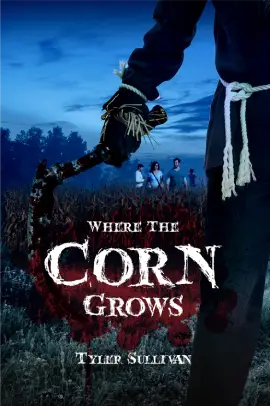



How graphic your book is should be your decision, made before drafting. We write across the range and agree the level in the outline stage, so your readers get what your cover and description promise.
Themes such as self-harm, abuse or the death of a child need care whatever the level, and we raise them with you early. If you plan to sell through Amazon, read the Amazon KDP content guidelines before you settle the level. We can write toward them, but the decision on what to publish stays with you.
These are starting prices. A page is about 250 words, and the final quote depends on scope, sub-genre and how much research the story needs.
| Plan | Length | Approx. words | From |
|---|---|---|---|
| Novella or short novel | Up to 100 pages | About 25,000 | $4,500 |
| Novel | Up to 250 pages | About 62,500 | $8,500 |
| Longer or research-heavy | Over 250 pages | Over 62,500 | $15,000 |
Most horror novels land in the second row, and a tight novella fits the first. The quote is free, timelines and revision rounds are written into it, and we do not guarantee sales, rankings, awards or reviews.
The order follows where horror manuscripts tend to fail: the source of fear first, then rhythm, then prose, then the ending.
We find the specific source of fear in your premise and write a short dread map with you: what is wrong, who notices first, and what the reader learns in each act. You approve it before the outline begins.
The writer plans every chapter with its pressure level marked, so scares and quiet stretches alternate on purpose. You review the outline, request changes and approve it before any chapter is drafted.
Chapters arrive in batches for your review. The writer layers sensory detail and small wrongness into early scenes so later scares have something to break. Your notes shape the next batch within the revision rounds in your quote.
Before delivery we read the full manuscript for continuity, for any early reveal, and for an ending that resolves the threat or leaves it open on purpose. You receive the finished manuscript, ready for editing and formatting.
Length changes what horror can do. A short book can hold one sustained mood, while a long one needs several waves of tension. Tell us what you are weighing and we will advise before you commit.
When the manuscript is done, a horror cover matters as much as the text, so plan your book cover design early and see how we handle book publishing across the major retailers.


The writer starts with the ordinary: a kitchen, a drive to work, a school hallway. Then something small is wrong. A door is open that was closed, a neighbor says a name no one has used in years. By the time anything frightening happens, the reader already distrusts the room.
Constant intensity numbs readers, so the outline marks the quiet chapters on purpose. A calm scene after a scare lets the character make a bad decision, and that decision becomes the next scare. We show you this rhythm chapter by chapter before drafting starts.
Horror runs on information. Readers who know more than the character feel dread, and readers who know less feel surprise. We decide which of the two each chapter is aiming for, and we keep the threat partly unexplained for as long as the story can hold it.
If you have a premise that has stayed with you, that is usually a good sign. Send us the image or the idea, even if it is only a paragraph, and we will tell you how we would build a book on it.
Use the quote form, start a live chat, or call +1 (877) 402-2338. You can also read about us on our about page or browse past work in the portfolio. Once the book is out, our book marketing team can help you reach horror readers.
Hear directly from our satisfied authors about their experience with KD Prime Publishers.
Author
"KD Prime Publishers made my self-publishing journey seamless. Their team guided me through every step, from editing to cover design. The marketing support they provided helped me reach more readers than I ever expected. Highly recommended."
Author
"I was amazed by how KD Prime Publishers transformed my manuscript into a professional, polished eBook. Their attention to detail in editing and formatting was outstanding, and their marketing team helped increase my visibility across multiple platforms."
First-Time Author
"As a first-time author, I was nervous about the publishing process. KD Prime Publishers took the stress out of it. From creating an eye-catching cover to offering clear marketing guidance, they made everything simple and approachable."
Author
"What impressed me most about KD Prime Publishers was their ability to combine strong creative work with a solid marketing plan. They helped position my book in front of the right audience and supported me like true partners in the process."
Author
"Working with KD Prime Publishers was an absolute pleasure. They helped refine my content, prepare my eBook for multiple platforms, and supported the launch with effective marketing strategies. I've seen a clear boost in both reach and sales."
Share your details with us, and our team will reach out to you shortly.
Our proven success speaks for itself. We are dedicated to providing every client with unmatched value and customized service.
Here are the questions authors ask most often before they hire a horror writer.
You have a finished manuscript, a talented illustrator and a clear picture of your book in your head. Then the first sketches arrive, and the bear is...

A picture book looks small. It has a few hundred words, a handful of colorful scenes and a cover that fits in a child's hands. So it surprises many fi...
You finished the manuscript, built the cover and uploaded your files. Then the screen turned red. Maybe the upload failed, maybe Print Previewer liste...
Last updated October 29, 2026
 DMCA
Disclaimer
KDPrimepublishers.com is operated by KD Prime Publishers.
We operate independently and are not affiliated with Amazon,
Kindle Direct Publishing (KDP), IngramSpark, or any other platform; all trademarks belong to their
respective owners. We respect intellectual property rights and review all formal copyright notices
promptly.
Read More