

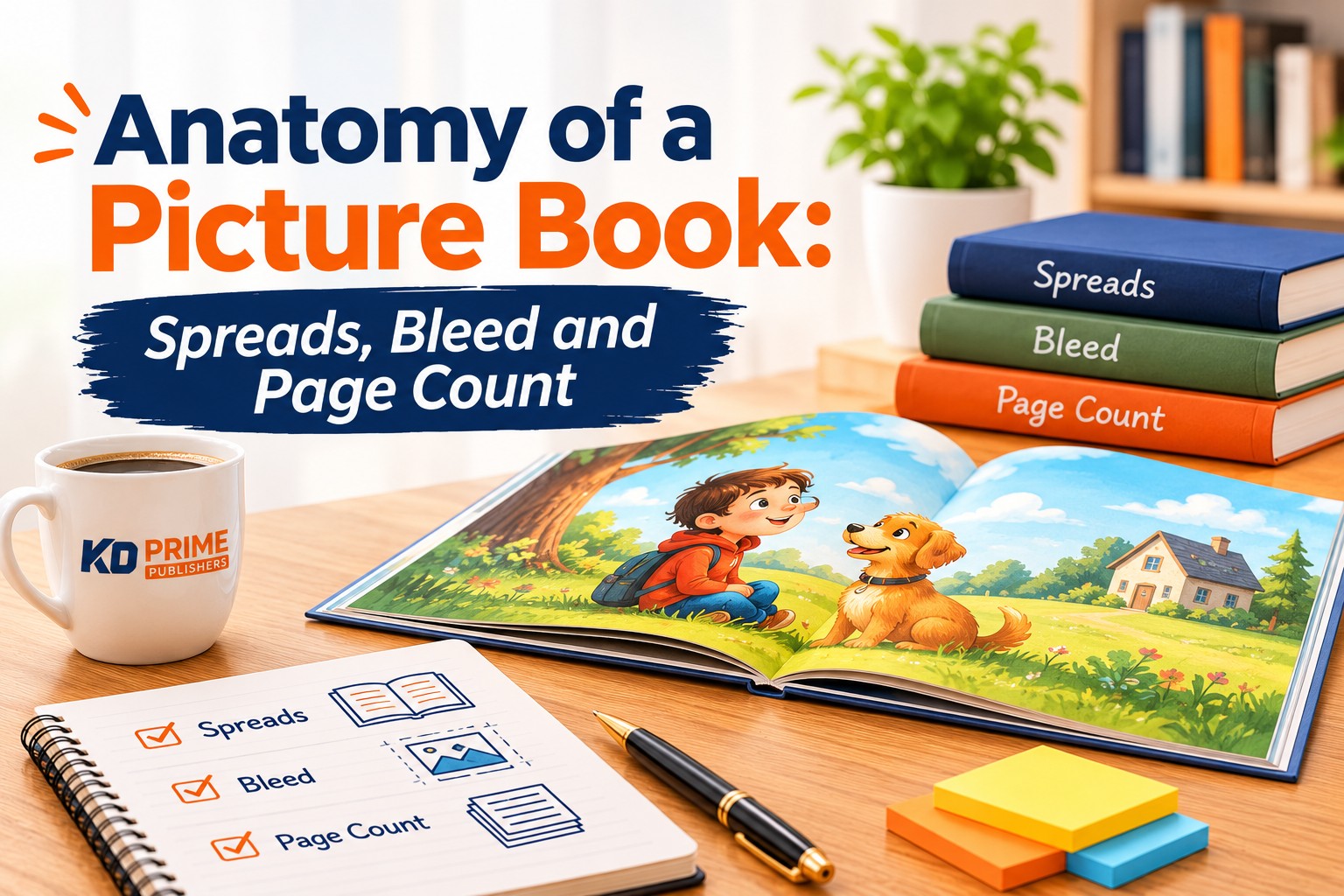
Picture Book Page Count: How Many Pages Should Your Book Have?
You finished your story, you love your main character, and now one practical question is standing between you and an illustrator: how many pages shoul...









A children's book depends on its pictures as much as its words, which makes printing a bigger decision than it is for a text-only novel. A poor print run can flatten colors that looked bright on your monitor, and the damage is expensive to fix once copies are boxed.
KD Prime Publishers, based in Austin, Texas, works with authors across the US by email, phone and video. We choose paper stock, binding and print settings to suit full-color pages, and we explain each choice in everyday language so you are never guessing.
Board books, hardcover picture books and softcover storybooks each come with their own durability and cost trade-offs. Board books need thick stock that small hands cannot easily bend. A softcover storybook calls for a different balance of weight and price.
Color is where most illustrated runs go wrong, so we proof your files against your original artwork before anything goes to production. If you are still shaping the book, our book publishing services cover the steps around printing, and you can see finished projects in our portfolio.
You keep your copyright and your royalties. Printing is one stage of your project, and the quote tells you exactly what that stage includes.

Let our team manage the paper, binding, and color details so your book prints exactly as designed.
Illustrated pages behave differently on press than plain text does. Ink coverage is heavy, paper has to hold it without showing through, and the finished book will be bent, chewed and re-read far more than an adult title.
Whether you are self-publishing a single title or planning a series, we handle the print specifications so the finished book matches the artwork you approved.
The right format depends on the reader's age, your budget and where the book will be sold. Here is how the common choices compare. Cost level is relative, not a price, because every project is quoted on its own details.
| Format | Best for | Wear and tear | Relative cost |
|---|---|---|---|
| Board book | Babies and toddlers | Very high, thick pages and rounded corners | Higher |
| Hardcover picture book | Retail shelves, libraries, gifts | High, rigid case binding | Higher |
| Softcover storybook | School events, local sales, tighter budgets | Moderate | Lower to medium |
| Early reader or chapter book paperback | Ages 6 and up, text-led stories | Moderate | Lower |
A board book is built on thick card so a toddler can turn pages without bending them. Safety matters here, so corners are usually rounded. A hardcover picture book is the classic gift and library format, with a rigid cover wrapped around the sewn or glued pages.
A softcover storybook costs less per copy, which suits school events, readings and a first test of the market. We confirm which formats are available for your project in your written quote.

Picture book paper is not novel paper. Thin text stock cannot hold full-page illustrations, because heavy ink can show through to the other side of the sheet and spoil both pages. Paper weight, usually given in gsm or pounds, decides how opaque and sturdy a page feels.
Coated paper keeps ink on the surface, which makes saturated art look sharp. Uncoated paper has a softer, more natural feel and can flatter delicate watercolor. A proof on the real stock is the only reliable way to choose.
Covers can be finished with gloss or matte lamination, which protects the surface and changes how the colors read. Other effects exist, and we confirm which are available in your quote. Your cover files are built with the same trim and spine in mind, which is covered by our book cover design team.





Trim size is the finished page size after the book is cut. Picture books come in square, portrait and landscape shapes, and the choice should be made before illustration starts, since changing it later means redrawing or cropping every spread. Your children's book illustration plan should follow the trim size, not the other way round.
Page count needs care. Printers fold large sheets into sections, so page totals usually have to land on a set multiple, and 32 pages is the most common length for a picture book. Front matter, back matter and endpapers count toward the total. Confirm the exact rule against your printer's specification.
Keep important text and faces away from the gutter, the inner edge near the spine, and away from the trim edge. For a good overview of trim size, bleed and margin guidelines, read Amazon's help page. It describes paperbacks, so confirm hardcover and board book details with us.
Screens mix light (RGB) and presses mix ink (CMYK). Some bright blues, greens and neon tones that glow on a monitor cannot be reproduced in ink, so they shift or dull. Converting your art to CMYK early shows you the change while there is still time to adjust it. Images should be 300 DPI at the size they will print.
A soft proof is a digital preview and a physical proof is a printed sample. The first catches layout and obvious color problems. Only the second shows how ink behaves on real paper, and even then the result depends on the stock used.
We compare the proof against your original files, flag colors likely to shift and adjust before the run. Look at your proof in daylight, held next to the original art. Skipping this step is the costliest shortcut in printing, because a mistake found after a full run cannot be fixed cheaply. We confirm the proof type and number of rounds in your quote.

Children's books are handled far more roughly than adult titles. Case binding gives picture books a rigid cover and a long shelf life. Sewn pages hold up better than glued ones, though they cost more. Saddle stitch, which staples pages through the fold, suits thin softcover books. Board books use thick card throughout.
If your art runs across the center of the spread, the binding also affects how well the book opens flat. We talk through those trade-offs before you commit, and the quote lists the binding for your project.
Print files are strict. Cover size changes with page count and paper, so always work from the template for your exact product and trim size. Before you send files, check this list:
Amazon explains how a print cover file is built in plain steps, and the same logic carries over to other formats. Our book formatting team sets up interiors for print, and you can send us your files for a check through the quote form. We confirm in your quote whether file checking is included.
A short run prints a small batch, which keeps your upfront spend low and suits school visits and local events. Print on demand makes a copy only when someone orders it, so you hold no stock. Offset printing prepares a press for a large batch, which usually lowers the cost per copy but raises the commitment.
The best match depends on your goals. If you want to test the market, start small. If you plan to sell through retailers, you may want wide distribution. You can read how print on demand printing works for independent authors on the IngramSpark site, and we will tell you which approach fits your project. Our book marketing team can help you plan sales once copies exist.
Young children chew and carry books, so safety is a fair question. In the US, books made for children under 12 are treated as children's products, and some formats, board books and novelty items especially, may need testing and a Children's Product Certificate. We cannot give legal advice, so please check the current rules with the Consumer Product Safety Commission. Ask any printer about ink type, small parts and sharp edges. We confirm what documentation is available in your quote.

Here is how we take your illustrated files from screen to finished copies:
We review your illustrations, the age of your readers and your budget, then recommend a format, trim size and paper weight. You see the reasoning behind each choice, so you can approve it or ask for alternatives before anything moves forward.
We check color accuracy against your original files before committing to a full print run. Any colors likely to shift are flagged and adjusted, and you review the proof before we move on to the next stage.
We select binding that suits how the book will be handled and confirm that your files match the printer's template, including bleed, margins and spine width. The binding and file details are written into your quote.
Once you approve the final proof, we move to full production and arrange delivery of your finished copies to you. Timelines and shipping details are set out in your written quote, so there are no surprises.

We do not publish a flat price because no two children's books are alike. Printing is quoted per project, and the quote is free. These are the factors that move it:
larger pages and more of them use more paper and press time.
heavier or coated stock costs more than lighter text paper.
hardcover and sewn binding cost more than saddle stitch or paperback.
a larger run usually lowers the cost per copy.
full-color interiors cost more than black and white.
proofs, finishes and shipping.
Your written quote lists each of these, along with the timeline for your project. Details on revisions and refunds are in our refund policy and terms and conditions.
You do not need to understand paper weights or binding types to get this right. Tell us your trim size, page count and how many copies you have in mind, and we will quote the job.
Printing is the last step of a longer path. If the book is not finished, we can help with children's book writing, children's book editors and illustration. Questions first? Contact us, start a live chat or call +1 (877) 402-2338.
Hear directly from our satisfied authors about their experience with KD Prime Publishers.
Author
"KD Prime Publishers made my self-publishing journey seamless. Their team guided me through every step, from editing to cover design. The marketing support they provided helped me reach more readers than I ever expected. Highly recommended."
Author
"I was amazed by how KD Prime Publishers transformed my manuscript into a professional, polished eBook. Their attention to detail in editing and formatting was outstanding, and their marketing team helped increase my visibility across multiple platforms."
First-Time Author
"As a first-time author, I was nervous about the publishing process. KD Prime Publishers took the stress out of it. From creating an eye-catching cover to offering clear marketing guidance, they made everything simple and approachable."
Author
"What impressed me most about KD Prime Publishers was their ability to combine strong creative work with a solid marketing plan. They helped position my book in front of the right audience and supported me like true partners in the process."
Author
"Working with KD Prime Publishers was an absolute pleasure. They helped refine my content, prepare my eBook for multiple platforms, and supported the launch with effective marketing strategies. I've seen a clear boost in both reach and sales."
Share your details with us, and our team will reach out to you shortly.
Our proven success speaks for itself. We are dedicated to providing every client with unmatched value and customized service.
Here are straight answers to the questions authors ask most about printing a children's book.
You finished your story, you love your main character, and now one practical question is standing between you and an illustrator: how many pages shoul...
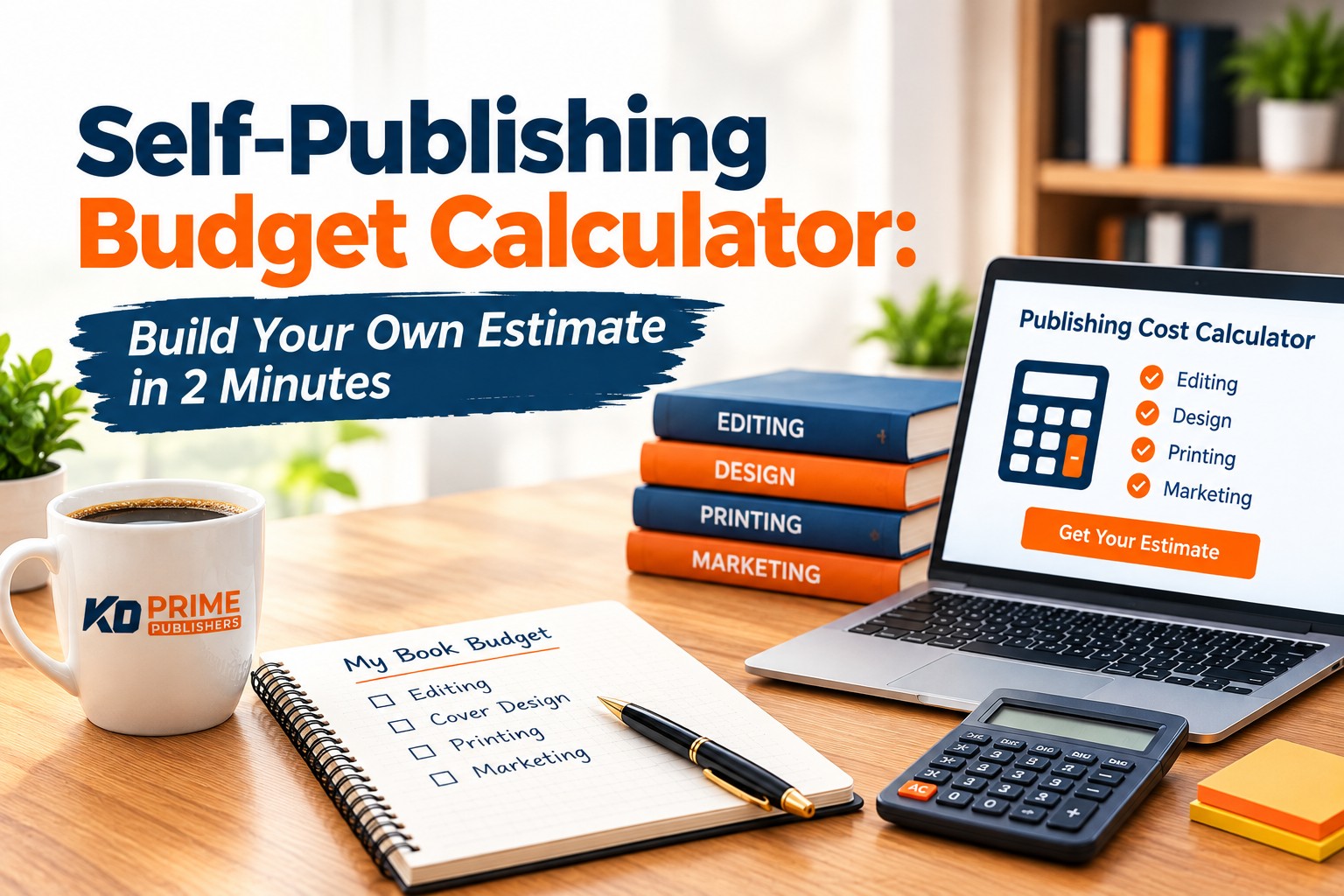
How much does it cost to self-publish a book? It sounds like a simple question, but the honest answer is "it depends." One author spends $200 and uplo...
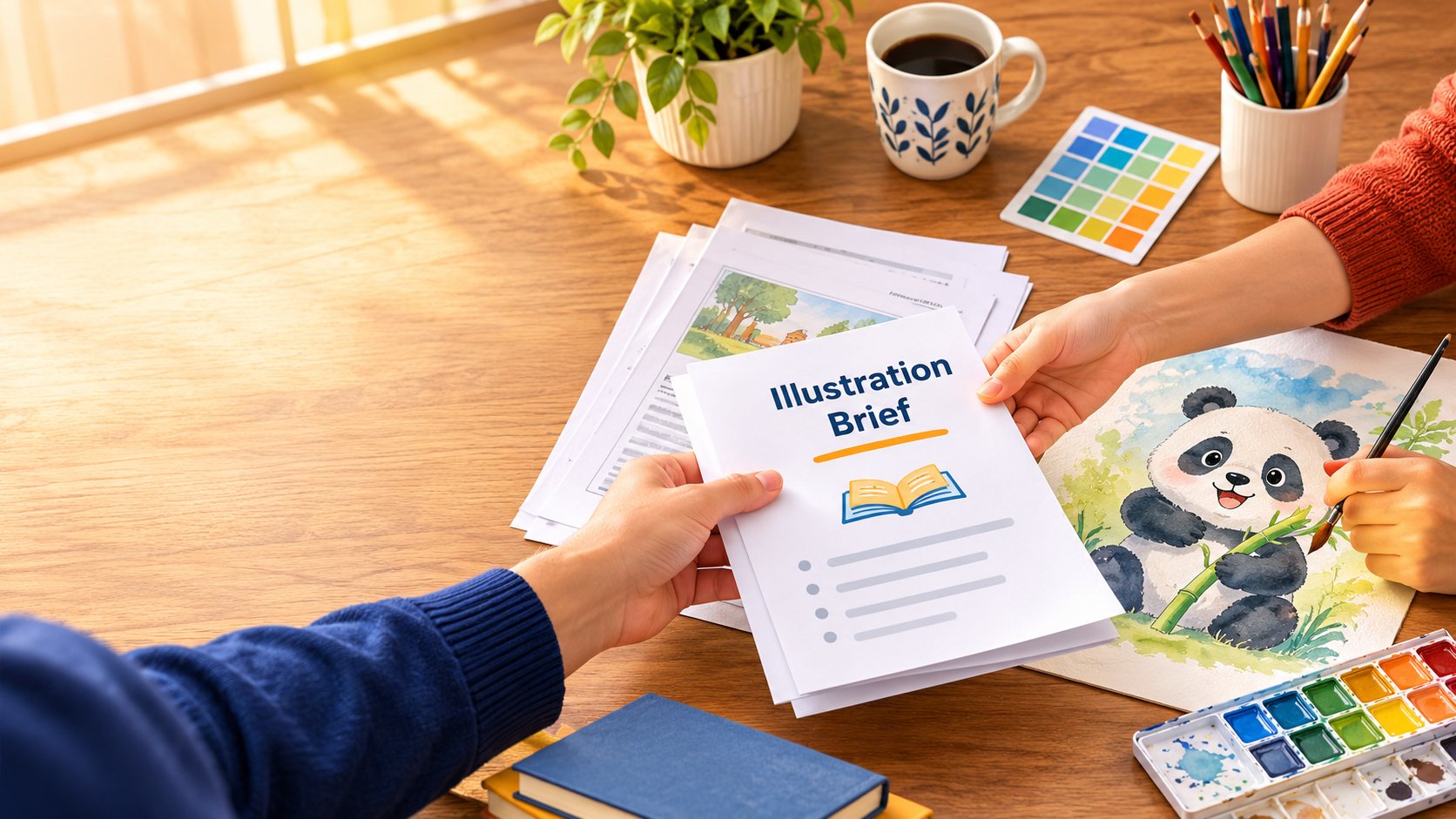
You have a finished manuscript, a talented illustrator and a clear picture of your book in your head. Then the first sketches arrive, and the bear is...
Last updated November 28, 2026
 DMCA
Disclaimer
KDPrimepublishers.com is operated by KD Prime Publishers.
We operate independently and are not affiliated with Amazon,
Kindle Direct Publishing (KDP), IngramSpark, or any other platform; all trademarks belong to their
respective owners. We respect intellectual property rights and review all formal copyright notices
promptly.
Read More